Cart
0
You may also like




 Health Grail

When holiday calendars fill up and daylight feels shorter, the best winter supplement routine is not the biggest one. It is the one built around a clear need, an accurate label, and habits you can repeat.
Supplements can support a well-built routine; they do not replace food, movement, sleep, or individualized medical guidance.
Before choosing a powder, capsule, or softgel, look at the system it is meant to support. Winter can disrupt meal preparation, training schedules, time outdoors, and sleep timing. A simple supplement routine begins by identifying the one gap that matters most to you—not by copying someone else’s stack.
Build regular meals around varied protein foods, produce, whole grains, and dietary sources of vitamins and minerals.
Set a realistic weekly training plan. A supplement cannot replace progressive training or everyday activity.
Protect a consistent sleep window and reduce late-night stimulation before looking for a shortcut in a capsule.
Consider diet, allergies, medications, health conditions, lab work when clinically appropriate, and professional guidance.
Ask one question first: “What specific nutritional or training problem am I trying to solve?” If the answer is unclear, adding another product will not make the routine clearer.
Commercial reporting continues to show consumer attention around convenient protein and creatine, while consumer surveys continue to track strong interest in magnesium. For example, Glanbia’s 2025 Annual Report—published in March 2026—described rising protein consumption as a consumer trend and reported leading positions in protein and creatine within its own portfolio. ConsumerLab’s February 2026 survey release reported growth in creatine and magnesium use among its respondents.
That is market context, not health evidence. Sales, search behavior, and company outlooks do not prove that a product works for every person—or that anyone needs it. They simply help explain why these categories remain part of the conversation.
Source perspective: Glanbia is an industry company, and ConsumerLab’s figures come from its survey population. Neither source determines individual suitability.Each category serves a different purpose. You may need one, none, or a different option entirely. The product label and your actual goal should lead the decision.

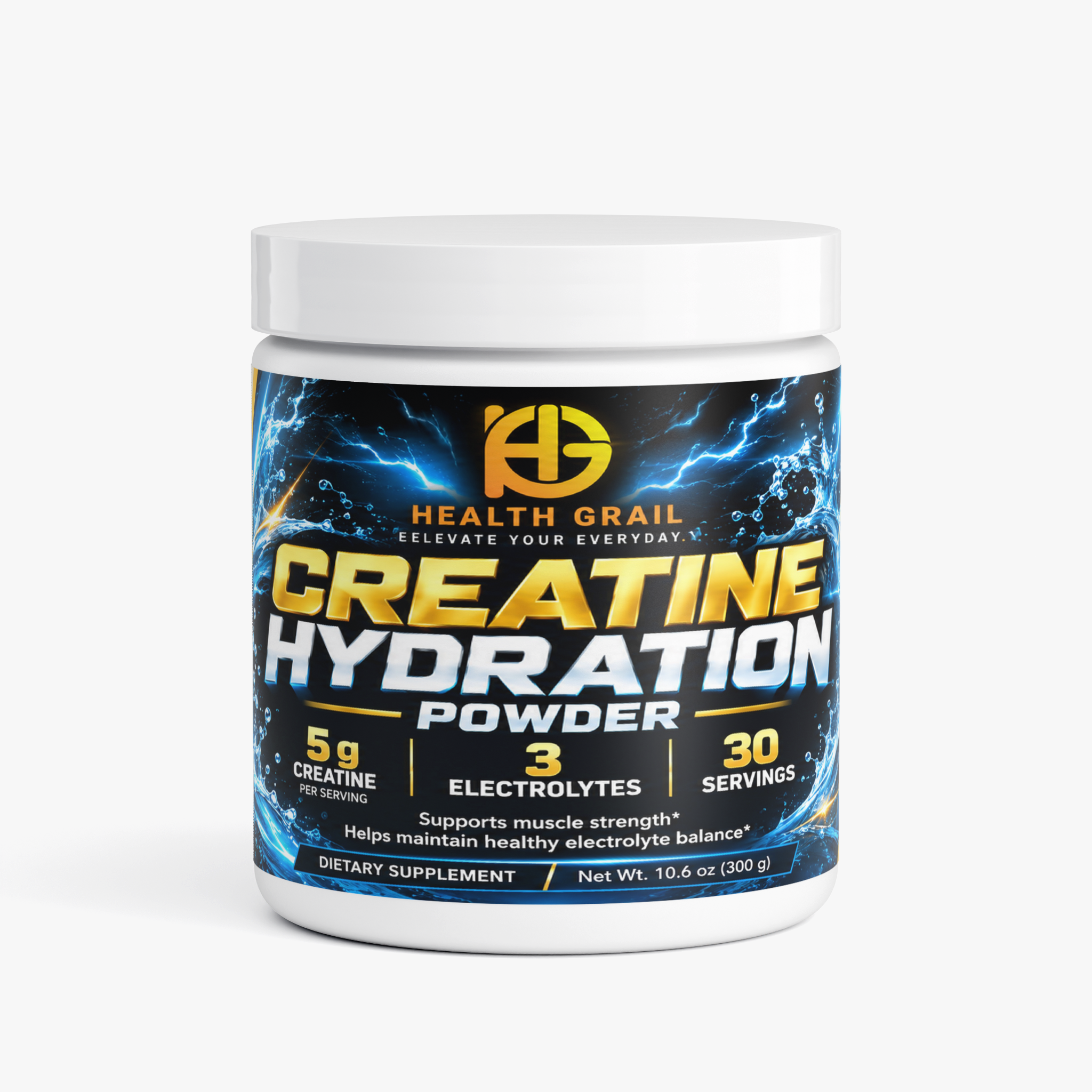
A training-support option to consider when your goal involves repeated high-intensity work. Research does not make it a substitute for training, and consistency matters more than chasing a perfect clock time.

A convenient option when meals leave a protein gap. It contains milk and should not automatically be called lactose-free. Prefer dairy-free or vegan? Compare the current plant protein varieties label by label.

Shorter days make vitamin D a timely topic, but they do not mean everyone is deficient or needs a supplement. Review food intake, individual risk factors, total supplemental intake, and medical advice where appropriate.

Magnesium has established nutritional roles in normal muscle and nerve function and energy production. The glycinate form does not turn a supplement into a treatment for sleep, anxiety, or stress.
This decision table is educational—not a personalized dosing plan. Begin with the foundational habit, then consider whether a product category adds practical value.
| Goal | Foundational habit | Optional product category | What to verify |
|---|---|---|---|
| Keep a structured training routine | Schedule repeatable sessions, progress gradually, eat enough, and recover. | Creatine monohydrate | Ingredient form, serving directions, daily consistency, hydration, and whether a clinician should review use. |
| Close a protein gap on busy days | Estimate what meals already provide and prepare portable food-first options. | Whey or plant protein | Protein per serving, serving size, complete amino acid profile, milk, soy or other allergens, dietary fit, and current flavor label. |
| Review vitamin D during shorter days | Include vitamin D food sources and discuss individual risk factors or testing with a clinician when appropriate. | Vitamin D3 | Micrograms and IU, total intake from all products, label directions, upper-limit context, soy, gelatin, and medication or condition considerations. |
| Address a possible magnesium intake gap | Prioritize foods such as nuts, seeds, legumes, whole grains, and leafy greens where appropriate. | Magnesium glycinate | Elemental magnesium—not compound weight—plus total supplemental intake, gastrointestinal tolerance, medication timing, and kidney-health considerations. |
A larger routine is not automatically more effective. It may simply create more cost, more chances to miss a serving, and more opportunities to duplicate an ingredient. Check everything you use—including multivitamins, hydration mixes, sleep products, fortified foods, protein blends, and medications.
A useful routine has a reason, a label-accurate plan, and a review point. If a product has no clear job, it may not belong in the routine.
Use one week to build the system before expanding it. The goal is maintaining workout consistency and nutrition habits through a busy season—not collecting products.
Name one goal. Write a specific training or nutrition need in one sentence.
Audit the foundation. Review meals, movement, sleep timing, hydration, and barriers in your holiday schedule.
Inventory everything. List every supplement, fortified product, and relevant medication you currently use.
Read each label. Record serving size, active amounts, allergens, warnings, and directions.
Check overlap and fit. Add up repeated nutrients and decide whether professional guidance is appropriate.
Choose one anchor. Connect any selected product to a habit you already repeat, while following its label.
Review the system. Keep what is clear and useful; remove unnecessary complexity. Set a date to reassess.
Start with food, movement, and sleep. Choose one defined goal. Then compare current labels and select only what genuinely fits your plan.
Explore Health-Grail ProductsElevate Your Everyday.
Educational use only. This article does not provide medical advice, diagnose deficiency, or prescribe a personalized supplement plan. Needs vary by diet, age, health status, medications, pregnancy or breastfeeding, and other factors. Follow current product labels and consult a qualified healthcare professional when appropriate. These statements have not been evaluated by the Food and Drug Administration. Supplements are not intended to diagnose, treat, cure, or prevent disease.


From reading to routine
Explore the labels, compare your options, and choose what fits your routine.
